
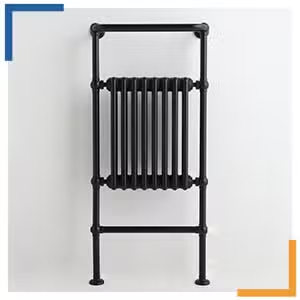



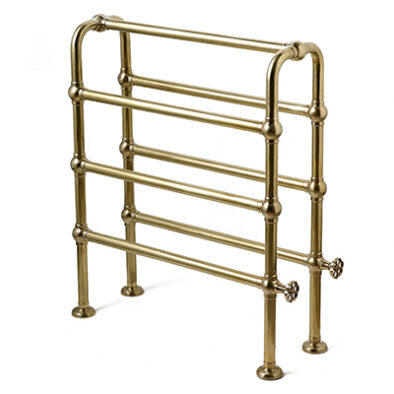
Floor mounted easel
All towel heated rails are available in 3 versions: hydraulic, electric or mixed (thermo-electric). Many metal finishes available (see button “Finishes available”).
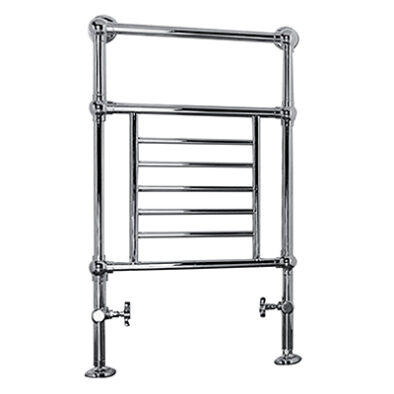
Floor mounted 3 rails
All towel heated rails are available in 3 versions: hydraulic, electric or mixed (thermo-electric). Many metal finishes available (see button “Finishes available”).
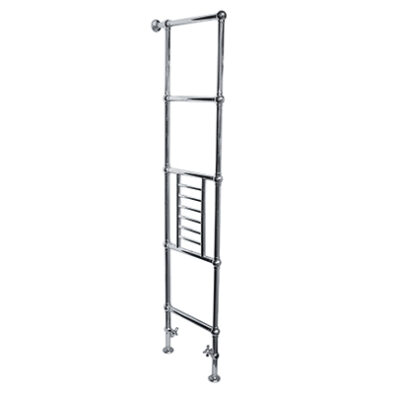
Floor mounted 5 rails
All towel heated rails are available in 3 versions: hydraulic, electric or mixed (thermo-electric). Many metal finishes available (see button “Finishes available”).
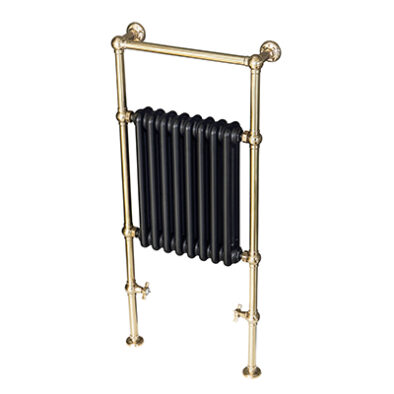
Cast iron insert
All towel heated rails are available in 3 versions: hydraulic, electric or mixed (thermo-electric). Many metal finishes available (see button “Finishes available”).
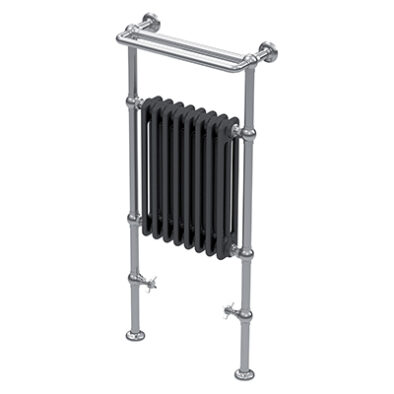
Cast iron insert + towel rail
All towel heated rails are available in 3 versions: hydraulic, electric or mixed (thermo-electric). Many metal finishes available (see button “Finishes available”).

Floor mounted 6 rails
All towel heated rails are available in 3 versions: hydraulic, electric or mixed (thermo-electric). Many metal finishes available (see button “Finishes available”).


Floor mounted radiators
Floor mounted radiator: discreet and efficient heating for your interior
The floor towel warmer is an innovative heating solution that combines aesthetics and efficiency. Integrated directly into the floor, this system offers an even distribution of heat while freeing up wall space. Ideal for rooms with large glass surfaces or minimalist interiors, the floor towel warmer is suitable for both new homes and renovations. Discover the advantages, the criteria for choosing and the installation tips to optimize your thermal comfort.
To explore other heating options, check out our full range of radiators or check out our bathroom furniture to tie your space together.
Why choose a floor towel warmer?
The floor easel radiator impresses with its discreet integration and energy efficiency. Unlike wall-mounted models, it does not take up space and allows complete freedom in the design of rooms. This system usually works by convection, with a diffusion grid placed at ground level. The heat rises naturally, creating a feeling of well-being without drafts.
Another advantage of the electric floor towel warmer is its compatibility with renewable energies. Coupled with a heat pump or solar panels, it reduces energy consumption while maintaining a stable temperature. Newer models incorporate smart technologies, such as connected thermostat control, for precise temperature control.
Finally, the floor radiator adapts to all interior styles. For bathrooms, this system prevents moisture on the walls, extending the life of coverings such as terracotta tiles or zelliges.
How to install an electric floor towel warmer?
The installation of a floor heater requires careful preparation of the support. In the case of a new construction, the installation is done before the finishing screed. For a renovation, it is necessary to plan for a skim or a raising of the floor to integrate the heating elements. The installation depth varies depending on the model, but it is generally less than 10 cm, which limits heavy work.
The choice of system depends on the energy source. An electric floor heater is easier to install than a hydraulic model, as it does not require a connection to a boiler. Heating cables or radiant sheets are laid on an insulating layer and then covered with a fluid screed. For damp rooms such as bathrooms, reinforced waterproofing is essential.
The diffusion grid, placed at the end of the site, must be chosen according to weight resistance and aesthetics. The natural brass models are resistant to impact and corrosion, while the gold, copper or brushed nickel finish versions add a design touch. For a harmonious look, combine it with wall heaters in the other rooms.
What are the criteria for choosing the right floor towel dryer?
The first selection criterion is the thermal output, expressed in watts per square metre. It depends on the insulation of the room, its surface and the desired temperature. For a well-insulated bathroom, count on about 100 W/m², while a poorly insulated room will require up to 150 W/m². Manufacturers offer online calculation tools to refine these estimates.
The type of distribution is also decisive. Convection floor heaters heat the room air quickly, while inertia models radiate soft, long-lasting heat. Hybrid systems combine both technologies for optimal comfort. For large rooms, a zoned control allows the temperature to be adjusted as needed.
Finally, compatibility with floor coverings influences the choice. Ceramic or natural stone tiles conduct heat better than parquet or carpet. If you opt for a wooden floor, choose an electric floor heater at a low temperature to avoid deformation. Cement tiles or zelliges are ideal for homogeneous distribution.
FAQs about Retro Floor Towel Warmer
What are the advantages of a back-to-back floor heater compared to a back-of-home wall heater?
A vintage floor heater frees up wall space and provides more even heat distribution. It is particularly suitable for rooms with large windows or minimalist interiors. Unlike conventional wall-mounted radiators, it does not create cold areas and prevents dust from accumulating on vertical surfaces.
Can you install a floor towel warmer in a bathroom?
Yes, as long as you comply with the standards of waterproofing and electrical safety. Models designed for damp rooms have enhanced moisture protection. A model certified class 1 or class 2, resists corrosion and water splashes.
What is the lifespan of a back-of-the-wall electric radiator?
A well-maintained electric retro floor towel warmer has an average lifespan of 10 to 20 years. Components such as heating cables or radiant blankets are designed to withstand temperature variations. Regular maintenance prolongs its performance.
Is the floor radiator compatible with underfloor heating?
Yes, but both systems should not be used simultaneously in the same room. A floor towel warmer can complement underfloor heating in specific areas, such as a bathroom, where a rapid rise in temperature is desired. A prior thermal study is recommended to avoid overheating.
How to optimize the energy consumption of a floor radiator?
To reduce consumption, use a programmable thermostat to adjust the temperature according to occupancy schedules. Efficient insulation of walls and windows limits heat loss. Finally, favor inertia models for a gradual and economical diffusion.