
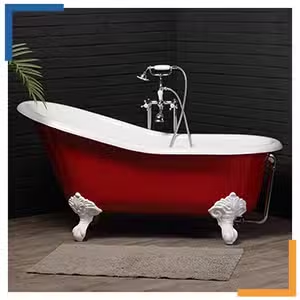
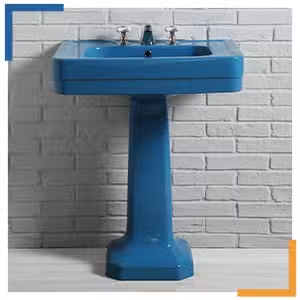
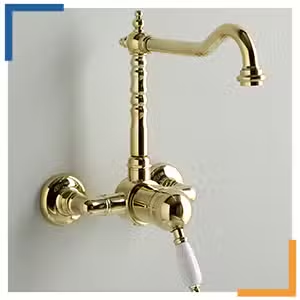
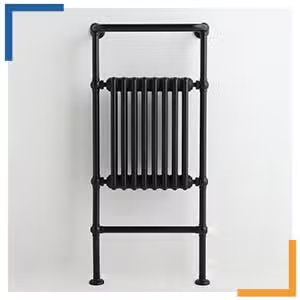
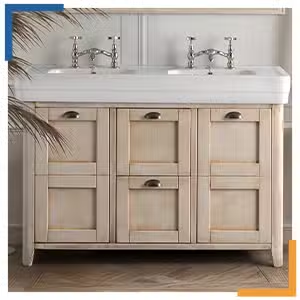
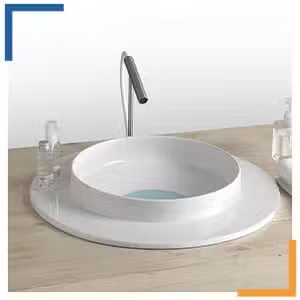
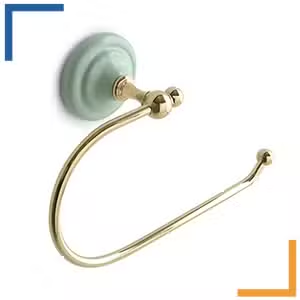
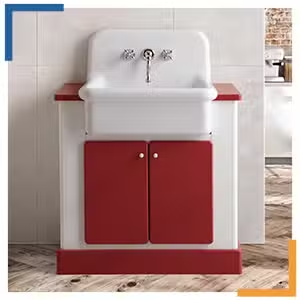


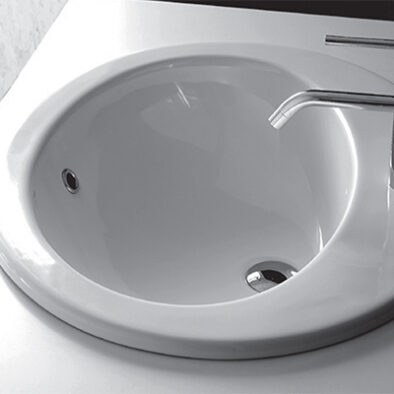
Washbasin BP 013-BP 014
Please contact us for information regarding sizes, supports and/or finishes of our sanitaryware.
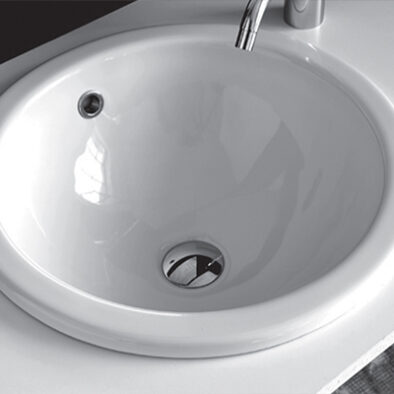
Washbasin BP 002-BP 003
Please contact us for information regarding sizes, supports and/or finishes of our sanitaryware.


Built in basins
Built-in washbasin
A built-in washbasin fits perfectly into a worktop or bathroom cabinet, offering a solution that is both aesthetic and functional. This type of installation saves space while maintaining a clean design. The models offered by Bleu Provence combine traditional craftsmanship and modernity, with high-end ceramic finishes. Whether you opt for a built-in washbasin under a countertop or a semi-integrated washbasin, the design possibilities are numerous.
To complete your project, explore the range of modern sanitaryware that matches these washbasins. An undermount washbasin or a semi-recessed washbasin can be combined with a floor mounted bidet for a harmonious bathroom. The materials used, such as glazed ceramics, guarantee durability and ease of maintenance.
The different types of built-in washbasins
A built-in washbasin comes in several versions; each adapted to specific needs. The undermount washbasin is ideal for small spaces, as it attaches directly under the worktop, freeing up space on the surface. This model is particularly suitable for contemporary bathrooms where a minimalist look is desired.
The semi-recessed washbasin, on the other hand, offers a compromise between aesthetics and practicality. One part of the washbasin remains visible, while the other fits into the cabinet or worktop. This solution is often chosen for its elegance and ease of installation. For those who prefer a more traditional touch, a countertop washbasin can be an alternative, although it is not a built-in model per se.
Finally, the washbasin sink to be recessed in a worktop allows total customization. You can choose the shape, size, and material of the countertop to create a unique bathroom. Ceramic models, such as those offered by Bleu Provence, are resistant to shocks and scratches, while bringing a Mediterranean touch to your interior.
How to choose your modern-built-in washbasin
The choice of a designer drop-in sink depends on several criteria, including the space available and the style of your bathroom. For a small room, an undermount sink is often the best option, as it optimizes the use of space. If you have a more generous surface, a semi-built-in washbasin or a built-in washbasin can add a design touch while remaining functional.
The material of the washbasin also plays a key role. Ceramics, for example, are appreciated for their robustness and easy maintenance. It is resistant to household products and retains its shine over time. Stoneware or engineered stone models offer a more natural alternative but require more regular maintenance to prevent stains.
The installation of a built-in sink can vary in complexity depending on the model chosen. An undermount washbasin usually requires a suitable piece of furniture, while a built-in washbasin requires a custom-made worktop. In any case, it is recommended to call a professional to guarantee an impeccable installation and avoid leaks.
To complete your layout, consider combining your washbasin with a suitable bathroom cabinet. A wall-mounted cabinet or freestanding model can enhance your space while providing convenient storage. Faucets, such as a retro or modern faucet, should also be chosen carefully to match the style of your sink.
Installation and maintenance of a built-in washbasin
The installation of a built-in washbasin requires careful preparation. For an undermount washbasin, the worktop must first be drilled into the exact dimensions of the washbasin. A gasket is then applied to prevent water infiltration. The semi-recessed or built-in washbasin models follow a similar procedure, but with adjustments depending on the visible part of the washbasin.
Once installed, maintaining a ceramic undermount sink is simple. Regular cleaning with a soft cloth and a non-abrasive product is enough to preserve its shine. Avoid metal sponges or harsh detergents, which could damage the surface. For stubborn stains, a mixture of water and white vinegar can be used safely.
If you opt for a countertop washbasin or a stone model, the maintenance will be slightly different. These materials are more sensitive to acidic products and require specific care to prevent scratches or discoloration. A suitable product, such as protective wax, can extend the life of your sink.
For a complete bathroom, don’t forget to combine your sink with other elements such as a toilet or bidet. The wall-hung or countertop models fit perfectly into a modern space, while offering optimal comfort.
FAQs about the built-in washbasin
What are the advantages of a built-in washbasin compared to a countertop washbasin?
A built-in sink offers several advantages over a countertop model. It allows discreet integration into a piece of furniture or worktop, freeing up space on the surface. It also makes it easier to clean around the sink, as there are no ledges where dust or water can accumulate. In addition, a drop-in sink or an undermount sink gives a more modern and refined look to the bathroom.
How do you measure the space needed to install a built-in washbasin?
To install a drop-in sink, start by measuring the width and depth of the cabinet or worktop. Then add a margin of 2 to 3 cm around the basin to facilitate installation and waterproofing. If you choose a semi-recessed sink, allow extra space for the visible part of the sink. Finally, check that the drain hole corresponds to the intended location in the furniture.
Can you install a built-in washbasin yourself or do you have to call in a professional?
Installing a built-in sink can be done by an experienced handyman, but it requires precise tools and a good knowledge of plumbing techniques. For an undermount washbasin or a built-in washbasin, it is often recommended to call in a professional to avoid leaks or installation errors. A plumber will also be able to advise you on the choice of suitable materials and accessories.
What materials are recommended for a built-in washbasin?
Ceramic is the most recommended material for a built-in washbasin, as it is resistant, easy to maintain and available in a wide range of finishes. Models made of copper, brass, sandstone or engineered stone offer a more natural alternative, but they require more rigorous maintenance. For a contemporary look, some opt for resin or tempered glass sinks, although these materials are less durable.
How do you maintain a ceramic drop-in sink?
To maintain a ceramic drop-in sink, use a soft cloth and a non-abrasive cleaning product. Avoid metal sponges or harsh detergents, which could scratch the surface. For stubborn stains, a mixture of water and white vinegar can be applied, followed by rinsing with clean water. Regular maintenance will keep the ceramic tile shiny and extend the life of your washbasin.