


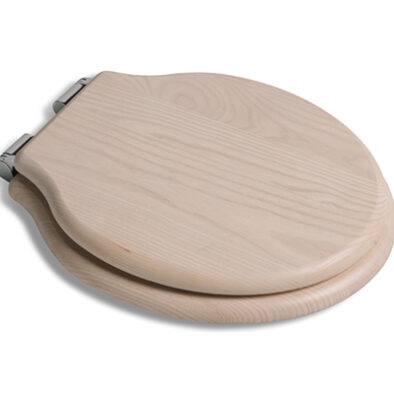
Wooden toilet seats
The different colors are available in gloss or matt finish for each of the models 700, 800, 900 and So Fifties. Please contact us for information regarding sizes, supports and/or finishes of our sanitaryware.
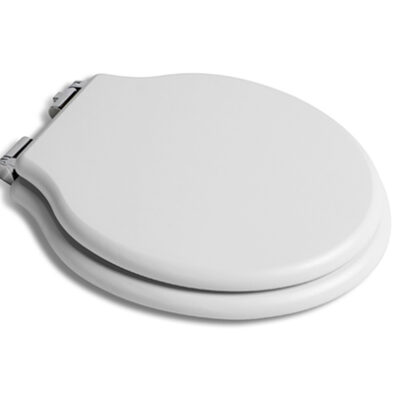
Polyester toilet seats
The different colors are available in gloss or matt finish for each of the models 700, 800, 900 and So Fifties. Please contact us for information regarding sizes, supports and/or finishes of our sanitaryware.


Toilet seats
Retro toilet seat: elegance and functionality for your toilet
A quality toilet seat transforms the toilet experience by combining aesthetics and comfort. At Bleu Provence, the selection of toilet seats is part of a retro design and sustainability approach, suitable for contemporary bathrooms as well as renovation projects. Whether you are looking for a model for a classic toilet seat or a version with a fall brake called a soft close, the options offered meet strict manufacturing and compatibility criteria.
To complete your layout, explore our range of retro sanitary ware or discover solutions to harmonize your space with a bathroom furniture adapted. The Toilet seats available integrate seamlessly with flush plates, such as those in the plaque compatible Geberit, for visual and technical consistency.
Materials and finishes for a durable seat
The choice of materials influences the longevity and maintenance of a toilet seat. Solid wood models, such as oak or beech, offer natural impact resistance and a warm touch with finishes such as walnut, cherry, wenge or natural wood. You can also have them in classic white or black as well as any other color. The resin or polyester versions, on the other hand, stand out for their lightness and ease of cleaning. These materials are often treated against moisture and bacteria, ensuring optimal hygiene for your toilet.
The finishes vary from matte to glossy, through aged or patinated effects for a retro style. Some toilet seats incorporate brass hinges with various finishes such as chrome, gold or bronze to enhance the premium look. These elements are designed to withstand daily wear and tear while providing a touch of elegance.
Compatibility with standard cuvettes is an essential criterion. The seats offered adapt to most brands, thanks to adjustable fixing systems. This versatility allows an older model to be replaced without modifying the existing installation, simplifying renovation work.
Installation and maintenance of a toilet
Installing a toilet seat does not require advanced technical skills, but a few precautions guarantee a long-lasting result. Before any installation, check the dimensions of the bowl and the spacing of the fixing holes. Most toilet seats come with a complete mounting kit, including screws, nuts and plastic or metal washers.
Wooden models and resin or polyester seats do not require any additional treatment. Once securely attached, test for stability by opening and closing the lid several times to adjust the hinges if necessary.
Regular maintenance extends the life of your toilet bowl. Use mild products, such as black soap or white vinegar, to avoid damaging surfaces. Avoid abrasive detergents or metal sponges, which can scratch the finishes. Never bleach that attacks metals. For wooden toilet seats, weekly dusting with a microfibre cloth is enough to maintain their shine.
Customisation and accessories for a unique toilet seat
Toilet seats are not limited to a utilitarian function: they can become a decorative element in their own right. Some models offer comfort handles. These details add a touch of originality and match the other elements of the bathroom, such as a retro sink or terracotta tiles.
The accessories complete the installation of a classic toilet seat. Silent hinges, for example, reduce closing noise and improve user comfort. Progressive braking systems prevent unwanted slamming, while magnetic closing buttons add a modern touch. For families with children, double-lid toilet seats, with an integrated child seat, are also available.
Personalization also involves the choice of colors. White or black seats fit in with any style, while bolder shades, such as blue, yellow, red or green, create an elegant contrast. These options allow the toilet seat to be coordinated with other sanitary elements or wall coverings.
Compatibility and standards for a suitable toilet seat
The compatibility of a toilet seat with existing toilet bowls depends on several technical criteria. European standards define standard dimensions for fixing holes, usually spaced 150 mm or 180 mm apart. Before buying, measure the distance between the holes in your bowl to avoid unpleasant surprises. Some toilet seats offer universal fastening systems, with adjustable plates to adapt to different configurations.
Hygiene and safety standards are also to be taken into account. The toilet seats must comply with the regulations in force, in particular in terms of impact resistance and stability. Models made of antibacterial materials, such as some treated polypropylenes, limit the proliferation of germs and facilitate maintenance. These characteristics are particularly important in shared spaces or establishments open to the public.
For renovation projects, it is sometimes necessary to replace the entire bowl to ensure perfect compatibility. In this case, opt for Toilet seats designed to accommodate new installations, such as those offered in our range of retro sanitary ware. These models often come with detailed instructions to make installation easier, even for non-professionals.
FAQ about toilet seat
What is the best material for a toilet seat?
The choice of material depends on your priorities. Solid wood, such as oak or beech, offers warm aesthetic and good resistance, but requires more advanced maintenance. Resin or polyester toilet seats are lighter, easy to clean, and resistant to moisture and impact, making them ideal for high-traffic bathrooms. Resin models are also available in a wide range of colors and finishes.
How do I choose the size of a toilet seat for my toilet bowl?
To choose the right size, measure the length and width of your bowl, as well as the spacing between the mounting holes. Most toilet seats are designed to fit standard toilet bowls, with holes spaced 150mm or 180mm apart. Some models offer universal mounting systems, with adjustable plates to adapt to different configurations. Also check that the shape of the seat (round, square or oval) matches that of your toilet bowl. Finally, make sure that the toilet seat is adjustable so that you can adjust its length so that it fits perfectly with the ceramic of the toilet.
Can you install a toilet seat yourself?
Yes, installing a vintage toilet seat is usually simple and does not require any specific tools. Most models come with a complete mounting kit, including screws, nuts, and washers. Start by removing the old toilet seat, then align the fixing holes of the new model with those of the bowl. Tighten the screws gradually to avoid unbalancing the toilet seat. For wooden models, apply a coat of protective varnish before installation to prevent water infiltration.
How to maintain a wooden toilet seat?
A wooden seat requires regular maintenance to maintain its appearance and durability. Clean it with a slightly damp microfiber cloth and a mild product, such as black soap or white vinegar. Avoid abrasive detergents or metal sponges, which can scratch the surface. Apply a coat of protective wax or oil every 6 months to nourish the wood and protect it from moisture. If the toilet seat shows signs of wear, lightly sand the surface before applying a new treatment.
What are the useful accessories for a toilet seat?
Several accessories improve the comfort and durability of a toilet seat. Quiet hinges reduce closing noise, while soft close brake systems prevent unwanted slamming. For families with children, the double-lid toilet seats, with an integrated child seat, are practical. Finally, protective covers or coordinating floor mats complete the installation and protect the floor from splashes.